FAIR4Instruments - bringing research instruments into the FAIR landscape
More than 60 participants from across The Netherlands, Germany, and Sweden benefitted from an inspiring 2-day workshop to explore how FAIR data principles can be applied to physical research instruments, such as microscopes or climate measuring stations, and the role those principles play in the management of scientific labs and universities.
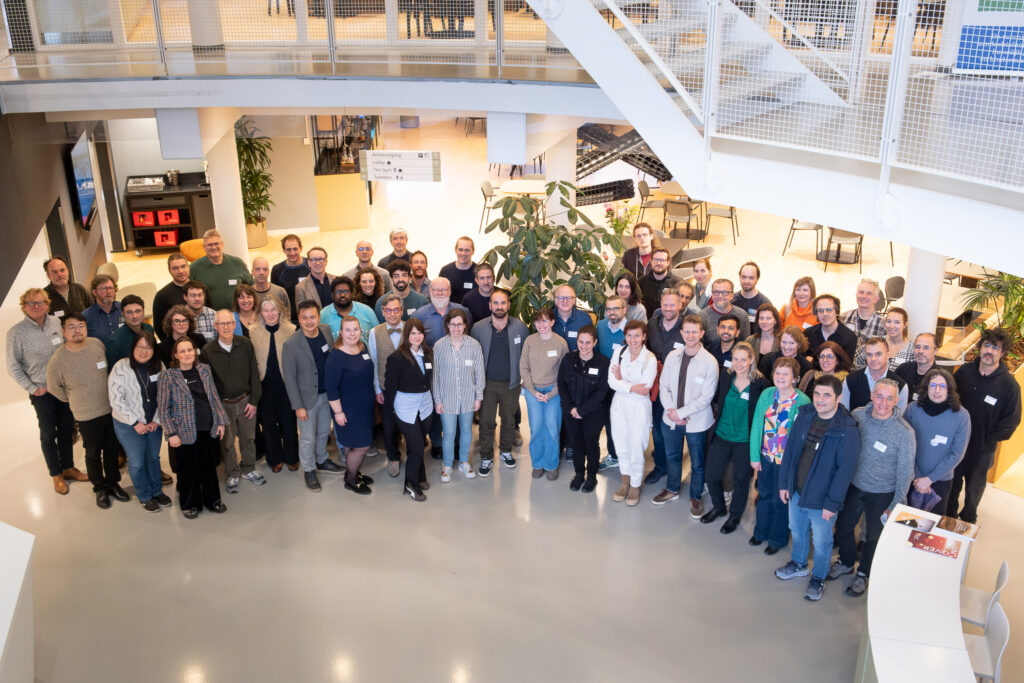
The FAIR4Instruments workshop, took place in Utrecht on 12 - 13 February 2026, and was intended as an initial exploration of the topic from different stakeholder perspectives, followed by a working session to explore shared challenges and their possible solutions. It was organised by the Thematic Digital Competence Centre for the natural and engineering sciences domain, TDCC-NES, in collaboration with TU Delft, Erasmus University, SURF, and DANS.
Several working groups were formed during the event, and the results of the workshop will be published by the TDCC-NES in a white paper later in the year, with the hope it can be presented and discussed during PIDFest 2026 in October in Leiden. Participants agreed to stay in touch as a community of practice, welcoming others interested in these topics, and to reconvene in one or two years if a larger event could be organised to re-examine where things are, and the progress that has hopefully been achieved.
"I appreciated the diversity of topics and the participation from researchers, management, and research support. It provided a well‑rounded perspective in the discussions."
Who is interested in scientific instruments?
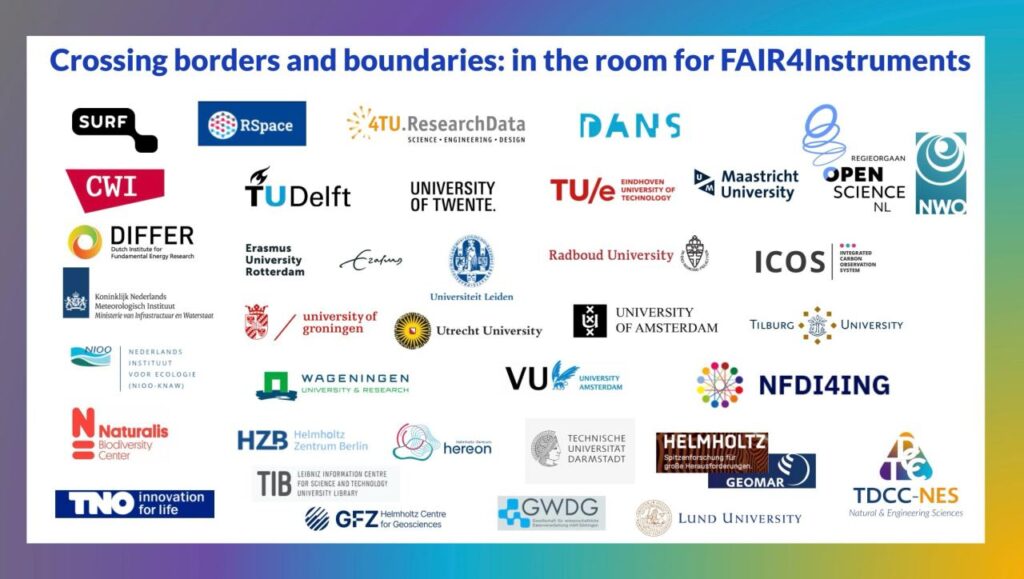
Lab managers, infrastructure providers, data stewards, data managers, researchers, and funders, came together from Dutch, German and Swedish academic institutions to share their views, experiences, and challenges. In total, the workshop gathered over 60 participants representing more than 20 national and international organisations, and multiple disciplines. We restricted numbers to enable effective discussions, but such was the interest, that the event could have been much larger.
There was a reassuring agreement on the types of challenges that are experienced, and a real shared enthusiasm for the emerging solutions for technical and persistent identification of research instruments and hence for making both instruments, and their data, more FAIR (Findable, Accessible, Interoperable, and Reusable).
Exploring the landscape and its challenges
Following the TDCC-NES methodology for these forms of exploration symposia, participants began by forming a more well-rounded insight into the instrument landscape from the different perspectives that were represented. Presentation and discussion of ongoing initiatives, best practices, available solutions, and key challenges helped to see interconnections between different challenges, and already some ideas about solutions that might be adopted more widely.
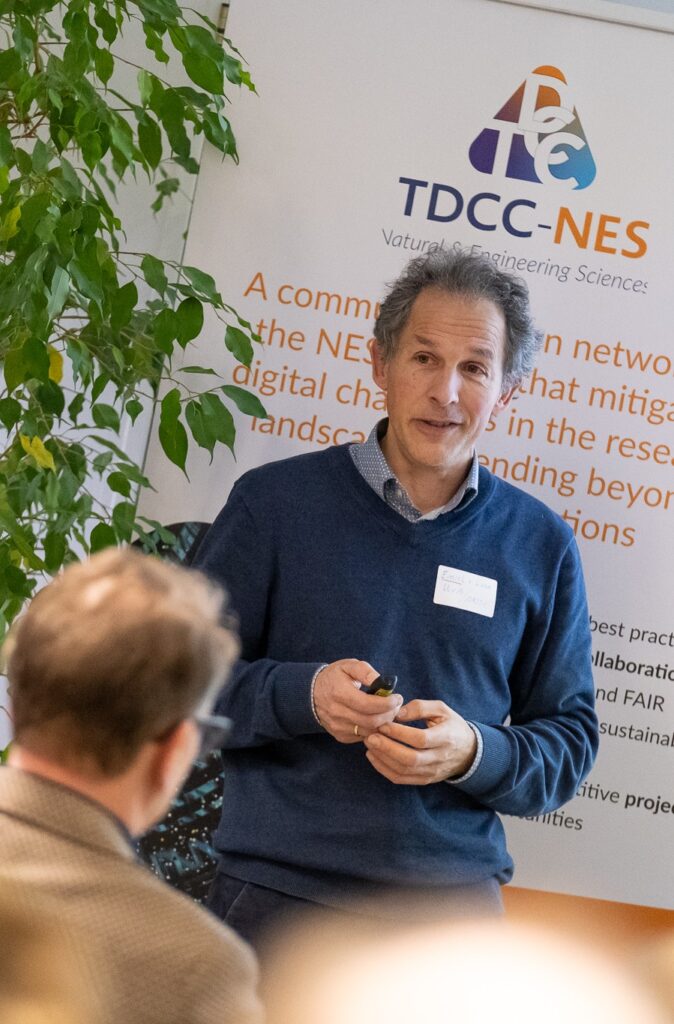
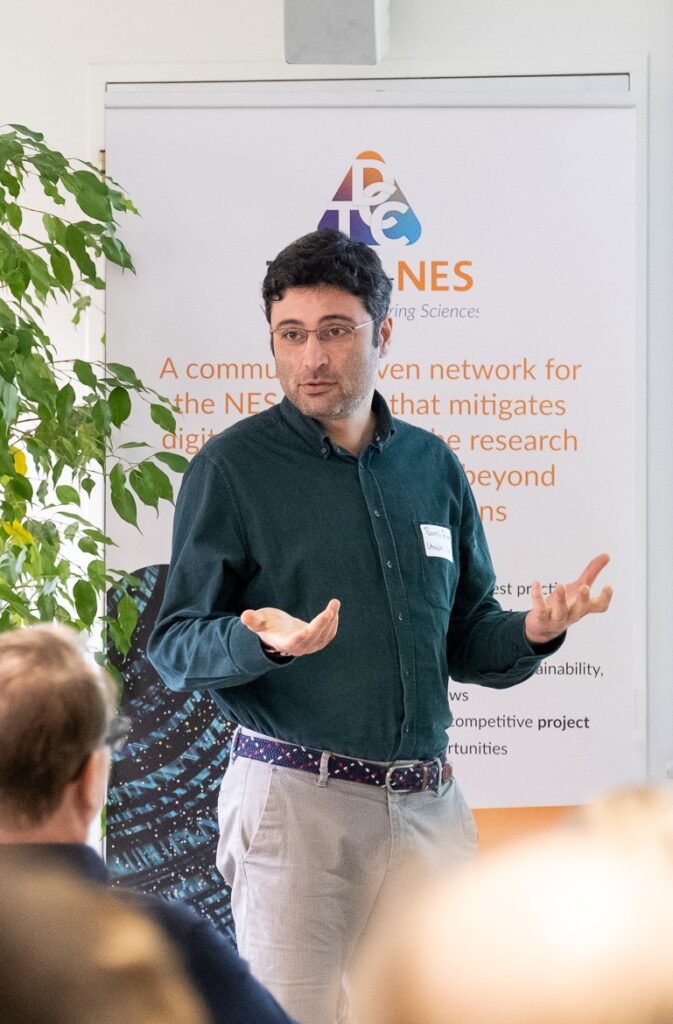
A lively keynote from two members of the organising committee, Joost Bensch (TU Delft) and Marlon Domingus (Erasmus University), set the scene for an open exchange of different perspectives: from university facilities and IT management through information security to laboratory researchers.
The main programme then opened with an inspiring keynote by Natascha van Lieshout (SURF), who highlighted the critical role of persistent identifiers (PIDs) for instruments in strengthening research transparency and reproducibility.
This session went on to examine the challenges that instrument management presents from multiple perspectives among different stakeholder groups:
Funder perspective – Mark van Assem (NWO / Open Science NL)
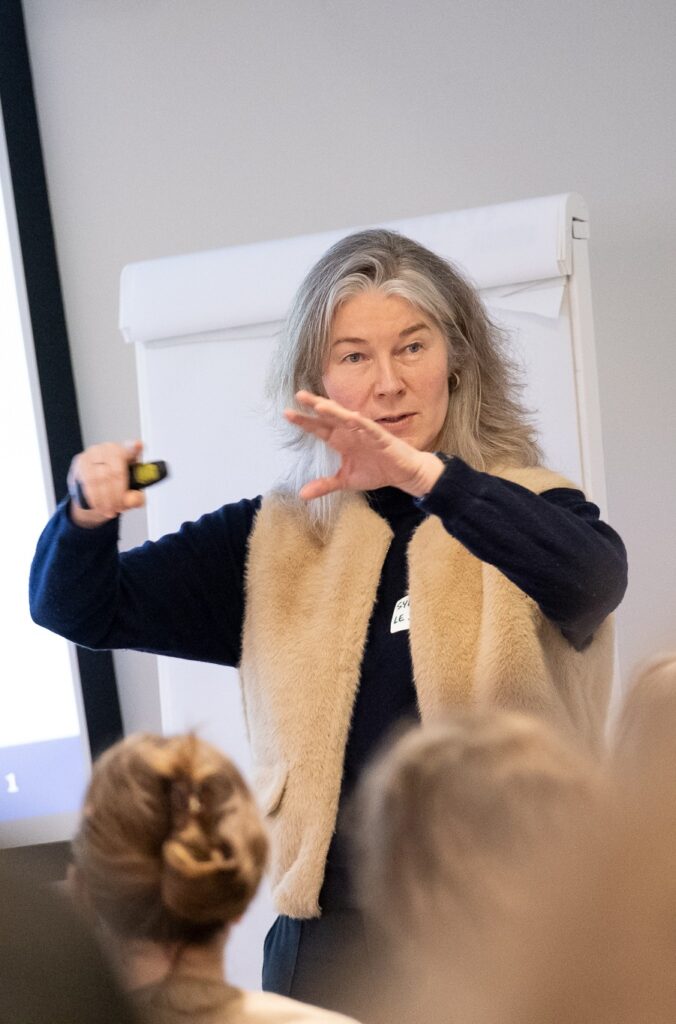
Scientist & lab manager perspective – Sylvia Le Dévédec (Leiden University / NL-BioImaging)
Software & workflow perspective – Ana Caballo (Radboud University)
Open hardware perspective – Sanli Faez (Utrecht University)
PID provider perspective – Tibor Kálmán (GWDG and B2INST , Germany)
This session revealed both shared challenges and structural gaps. The importance of uniquely identifying instruments to provide context to research results, and thus to improve research reproducibility and data reusability, was strongly emphasised. Participants observed that many institutions lack an overview of their own instruments; sometimes departments are even unaware of what exists within a building.
Another major theme was software sustainability in laboratories. Participants questioned whether labs and institutions truly understand and address their need for continuity in maintaining software and for professional software engineering expertise.
Reproducibility in fields such as microscopy highlighted another layer of complexity: each instrument can be unique, making exact data reproduction in another lab difficult. For researchers to understand the data that has been produced, instrument metadata must include both hardware descriptions and configuration settings, but also contextual elements such as sample preparation.
There was a lot of interest in the B2INST database, managed by Tibor Kálmán at GWDG in Germany. This registration database offers a solution for 'stamping' instruments with permanent identifiers (PIDs), and uses PIDINST metadata to describe the instrument. It does not, of course, decide what is meant by a scientific instrument, which is also an interesting discussion.
This first session concluded with an open discussion on how funding schemes, institutional structures, and community practices could better align to support FAIRification of instruments and their data.
Finding and accessing instruments
The second session focused on existing solutions and implementation efforts aimed at making instruments more Findable and Accessible - the "F" and "A" of FAIR. It consisted of four presentations:
The PIDINST metadata schema and its roadmap and implementation within Helmholtz and Helmholtz-Zentrum Berlin Emanuel Söding (Helmholtz, Germany) & Rolf Krahl (HZB, Germany)
Institutional practices for registering and presenting research equipment (Petra Dickhaut, TU Eindhoven)
Digilab Applied Knowledge - a digital research facility for sharing measurement data and models Leo van der Horst (TNO)
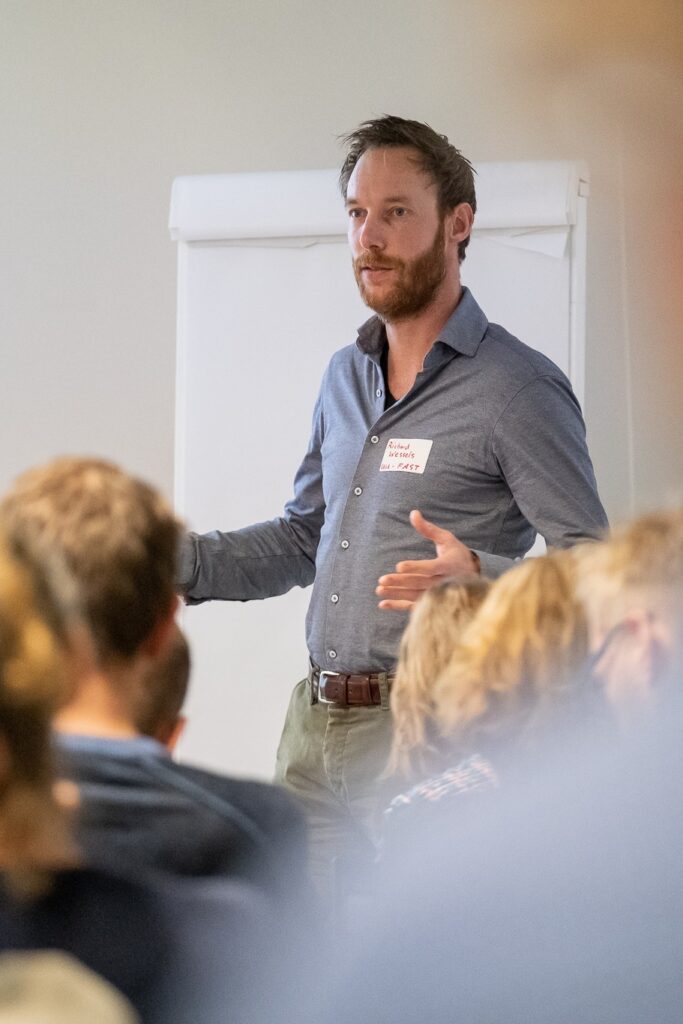
The FAST database and facility interoperability Richard Wessels (Utrecht University / EPOS)
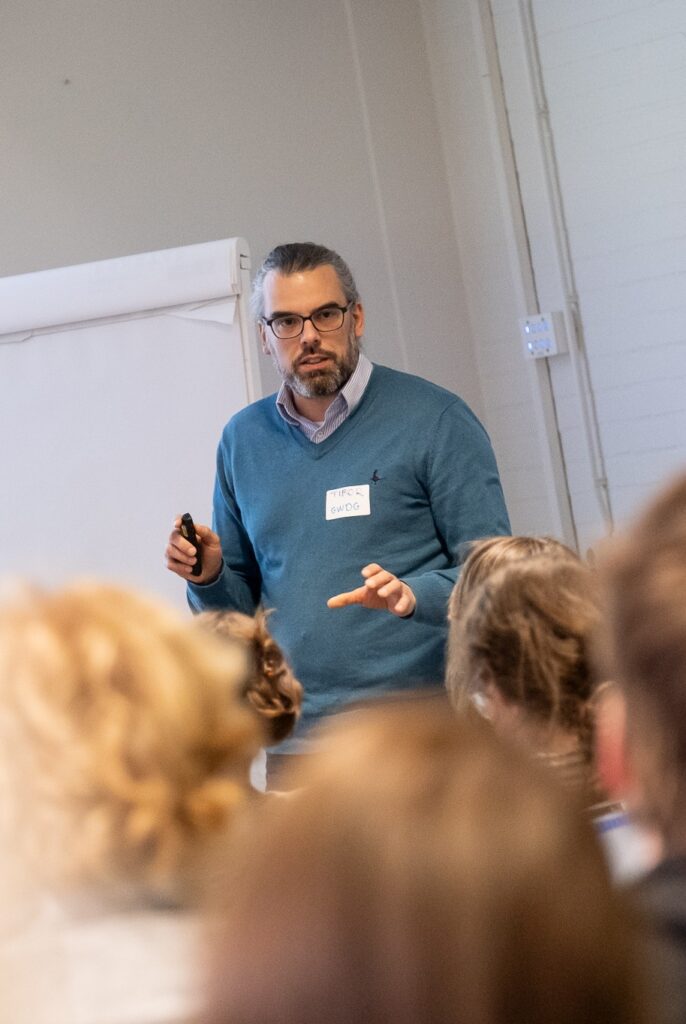
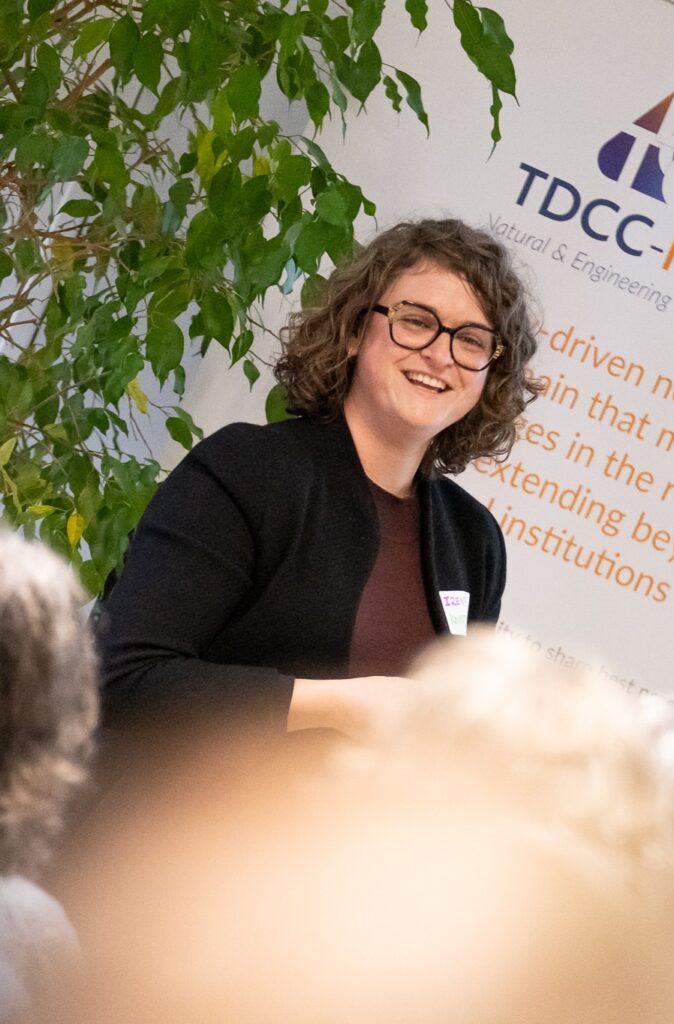
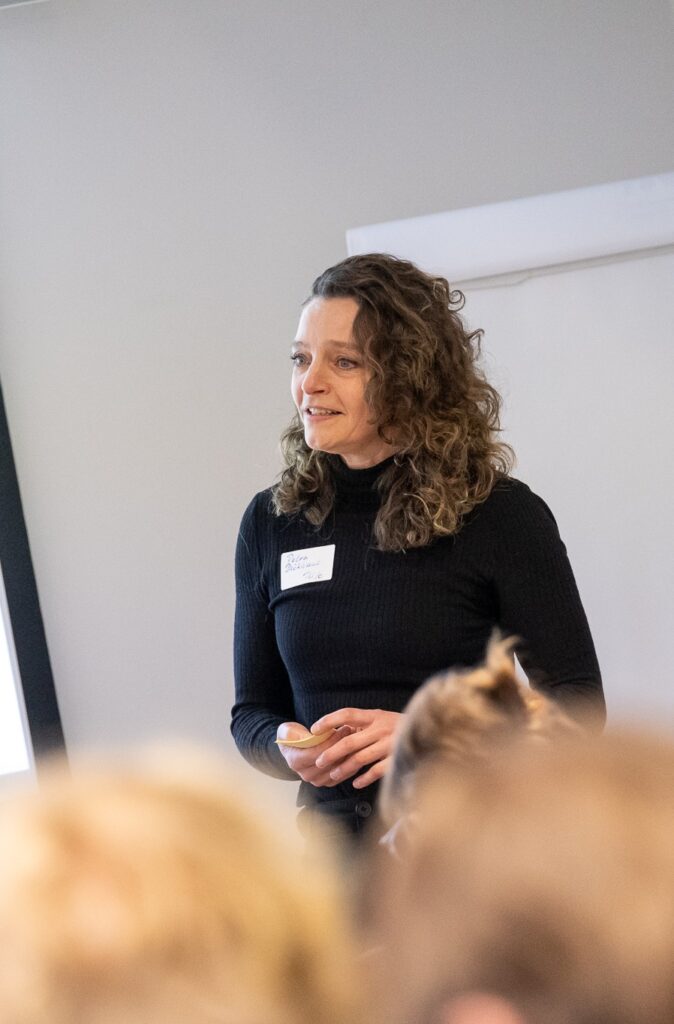
An important part of the session and the following discussion was the PIDINST metadata schema, presented by Emanuel Söding and Rolf Krahl, which is designed to describe scientific instruments, although not to classify or fully describe them. Classification remains a separate challenge, as no universal taxonomy for instrument types exists. The schema enables links to domain-specific controlled vocabularies where available and is managed by the PIDINST organisation.
TU Eindhoven shared lessons from registering and showcasing equipment, highlighting that technical solutions alone are not enough: people working with instruments are decisive. TNO introduced DIGILab as a data space for sharing data and models, positioning instruments within a broader digital research infrastructure. Utrecht University presented FAST database, which enables access to facilities and instruments within 22 European institutes.
Interoperability and reuse of data from instruments
The final session of the day focused on some concrete use cases, diving deeper into the data produced by instruments and exploring Interoperability and Reuse challenges - the "I" and "R" of FAIR. Examples included:
The Cabauw measurement station and its role in understanding climate change and air pollution - Arnoud Frumau (TNO)
The ARISE project and FAIR sensor lifecycle management - Rotem Zilber & Emiel van Loon (University of Amsterdam)
The DataHub Sensor Management System and implementation of the OGC SensorThings API - Nils Brinckmann (GFZ Helmholtz Centre for Geosciences, Germany)
NFDI4ING tools, infrastructure and metadata for sensors and workflows - Andreas Noback (TU Darmstadt, Germany)
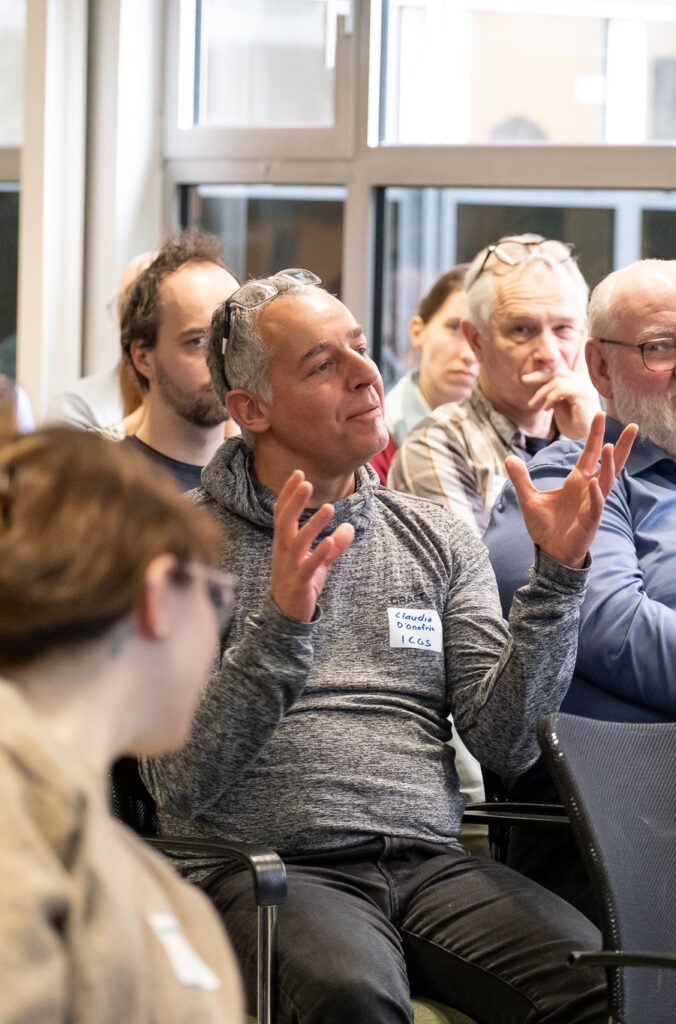
Metadata practices at ICOS Carbon Portal - Claudio Donofrio (Lund University, Sweden/ ICOS RI)
Crowdsourcing meteorological data - Irene Garcia Marti (KNMI)
These quick-fire case studies highlighted the complexity of the instrument-data ecosystem: from sensor inventories and calibration to workflow documentation and long-term data stewardship. A recurring theme was that identifying an instrument is not sufficient for reproducibility: detailed information about instrument configuration, calibration, deployment, and context is equally critical.
Interoperability challenges were a central concern. Some challenges — such as harmonising schemas, tracking instrument status, and managing distributed networks were recognised as requiring coordinated community effort rather than isolated solutions. The session concluded with strong interest in continued collaboration.
Planning the next steps
The second day of the workshop was mainly structured into interactive sessions, focusing on ultimately synthesizing the next steps and creating a collaboration plan.
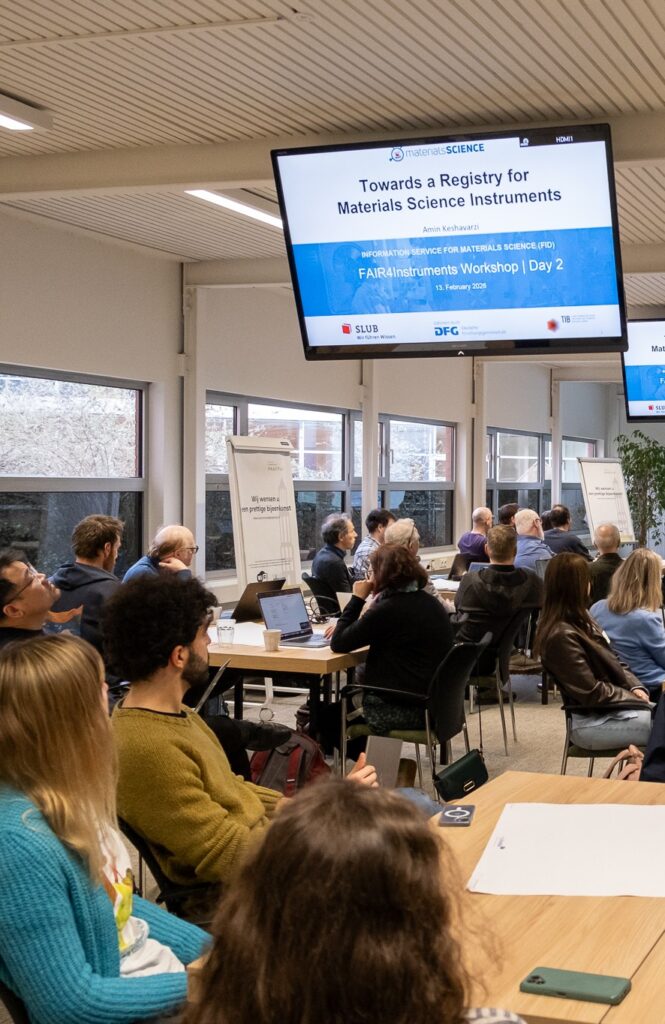
However, to kick-start the ideas, and to get everyone focused on solutions, the day began with brief look at some impressive efforts to address challenges in instrument registration, and the direction these were moving in to counter obstacles, these presentations included:
Developing the Materials Instruments database - Christiane Schmidt & Amin Keshavarzi (TIB, Germany)
Towards FAIR Instrument Metadata Mapping Challenges in National CRIS Infrastructures - Sabina Auhunas (TIB, Germany)
Integrating PIDINSTs and Instrument Data into the RSpace- Rory Rory Macneil (RSpace)
Wim Hugo and Rene van Horik from DANS provided an interactive interlude to get participants thinking about service sustainability which focused on socio-technical challenges for keeping infrastructures running in the long term.
To consider and agree tangible next steps, the participants formed eight discussion and planning groups:
- What is needed to make instruments Findable and Accessible? Case studies/pilot test cases - combined with:
- Infrastructure for Instrument Data
- Towards FAIR data for and from instruments
- Data Acquisition Software (DAQ) - How to improve the quality of the software that controls instruments?
- Planning for a white paper to capture today's discussions in a publication
- Ontologies for research instruments
- How to track instrument use in publications (including data publications) to aid facility/platform/instrument owners to report on impact
- Security and Trust in FAIR‑Aligned Scientific Instrumentation
A self-identified editorial group to coordinate the writing of a white paper worked in parallel to the instrument-focused groups during these discussions. Not only will this editorial group synthesise the presentations and discussion that took place on the day, but will also keep in touch with the follow-up activities planned by some of these sub-groups. Aligning next steps with suitable deadlines and ensuring everyone could stay in touch was an important aspect of the concluding discussions.
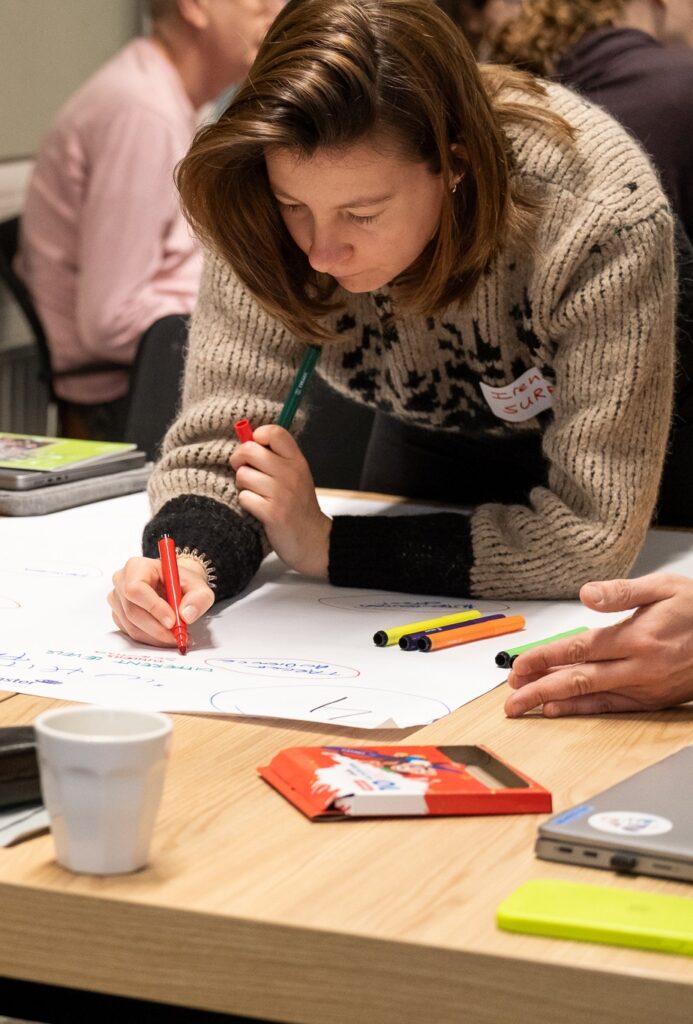
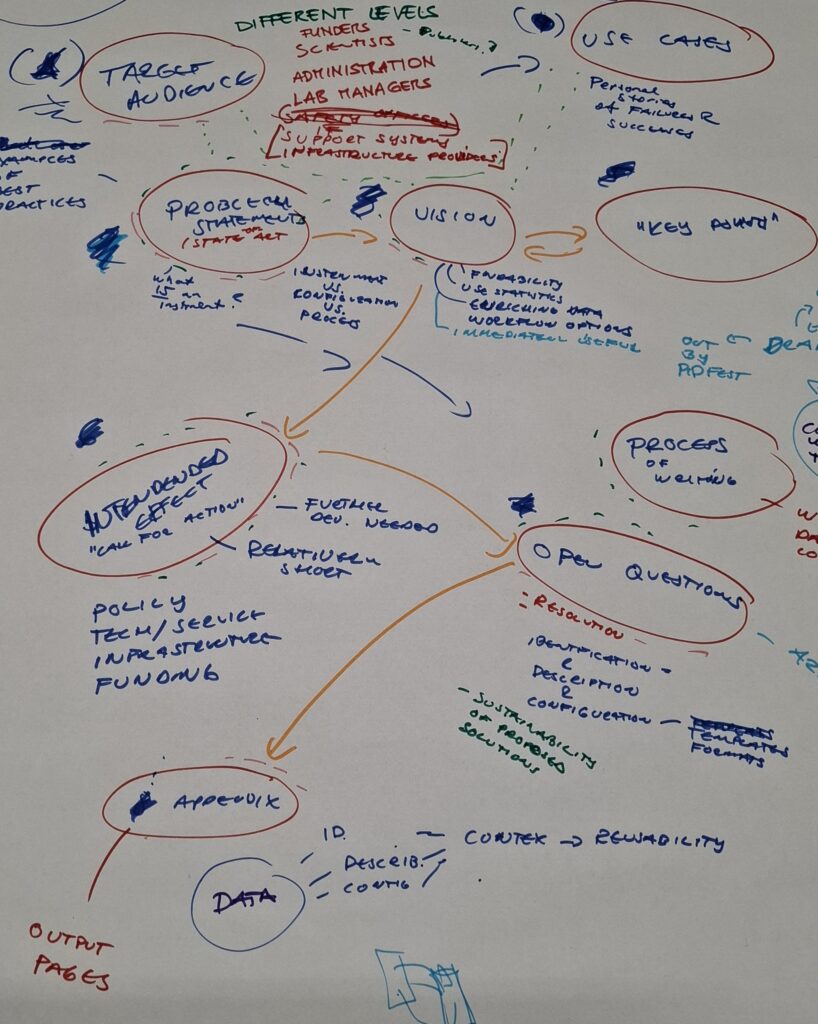
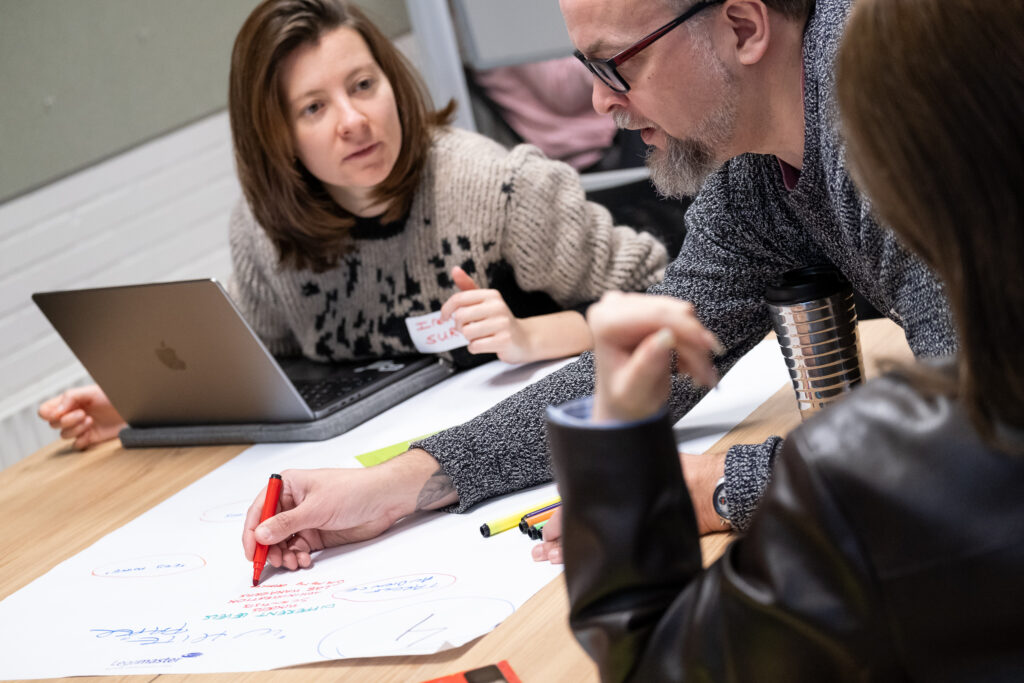
Drawing from the first day’s presentations each of the groups started by reflecting on where we were, and projecting where we would like to be, taking into account some of the possible solutions. This enabled some planning to take place for taking action towards solution. All the notes of these discussions were captured and shared, and each group was asked to summarise in a plenary session what their concluding next steps would be.
Concrete outcomes
Several participants were keen to pilot use of the B2INST database and register their instruments, and to explore the suitability of PIDINST metadata for doing so. There was also discussion about how such a registration might or might not be useful for instrument management within an institution, and how such information might impact or relate to security risk assessment, so already connections between solutions and different challenges started to be explored.
The group discussing DAQ - Data Acquisition Software, agreed to start a small community on Slack to exchange ideas and information, and promised to stay in touch with the wider instrument group to look at synergies with those that might pilot instrument registration and potentially develop training or awareness-raising materials.
One of the most immediate outcomes of the workshop will be the published white paper, which will help to communicate to those who could not be present our current understanding of the instrument landscape. It will also help to solidify the next steps and set a clear agenda for future collaboration.
In the coming months, you can expect more information about some of these collaborations. Follow updates through the TDCC-NES newsletter or sign up for the FAIR4instruments mailing list if you have a role in the Dutch research instrument landscape and would like to be more involved.
Many of those present showed an interest in attending PIDfest 2026 in Leiden, and have since submitted proposals to present or discuss PIDs for instruments. Will we see you there?
Ackowledgements and further information
The event could not have happened without the initial commitment of the organisating group and the wide range of ideas, questions, and contacts that they brought to the table whilst we explored together the potential of this topic and interest from across the country: Joost Bengsch, Lead Enterprise Architect, TU Delft; Marlon Domingus, Data Protection Officer (DPO) Erasmus University; Wim Hugo, Chief Technology Officer, DANS; Sara Ramezani, Team Lead, Data Preservation Services, SURF; Maurice Vanderfeesten, Strategic Advisor Open Research information, SURF; along with Joanne Yeomans and Lena Karvovskaya from the TDCC-NES staff team.
It also succeeded due to the enthusiastic engagement from all participants, and the attendance of our new international friends from Germany and Sweden. To everyone, a big thank you for helping to make this event a success!
The TDCC-NES staff were overwhelmed by the positive feedback received after the event, and are excited to support the continuation of efforts by those involved, and those who would like to join. If you would like to stay informed of progress, please sign up for the TDCC-NES newsletter (3-4 times per year) or the FAIR4instruments mailing list if you have a role in the Dutch research instrument landscape and would like to be more involved (for more regular updates and discussion).
The FAIR4Instruments workshop was the second event organised through the NWO TDCC-NES funded project Community building and project development for the TDCC-NES during 2024-2025.
"Thank you for organising a workshop on such an important, but sometimes overlooked topic."
The first event, FAIR4ChemNL, resulted in the white paper Enhancing Research Data Management in Chemistry: A Collaborative Approach for Catalysing Innovation in Germany and The Netherlands.
If you work in the Dutch academic natural and engineering sciences domain and would like help from the TDCC-NES to organise a similar event on a digital competence challenge topic, or for a group of stakeholders to explore shared challenges, please get in touch with the TDCC-NES team or reach out direct to Joanne, Lena or Errol.
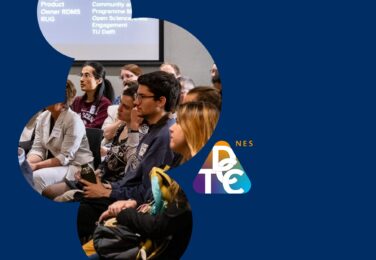
Photographs of participants: L.Varat