Meet The Coaches
Team UNLOCK
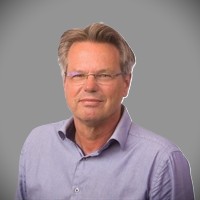
Associate Professor, WUR & Platform Manager, UNLOCK
ORCID | WUR webpage
Expert in FAIR By Design research, developing high-quality metadata templates for microbial and biotechnology research. Creator of FAIR infrastructure using iRODS and the FAIR Data Station, developed by UNLOCK.
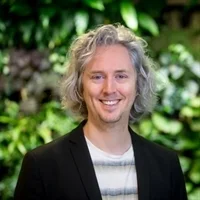
Assistant Professor, WUR & Technical Manager, UNLOCK
ORCID | WUR Webpage
Experience with the development of data management plans, metadata standards, and metadata templates for a range of scientific disciplines (including Biotechnology; Earth Sciences; etc.).
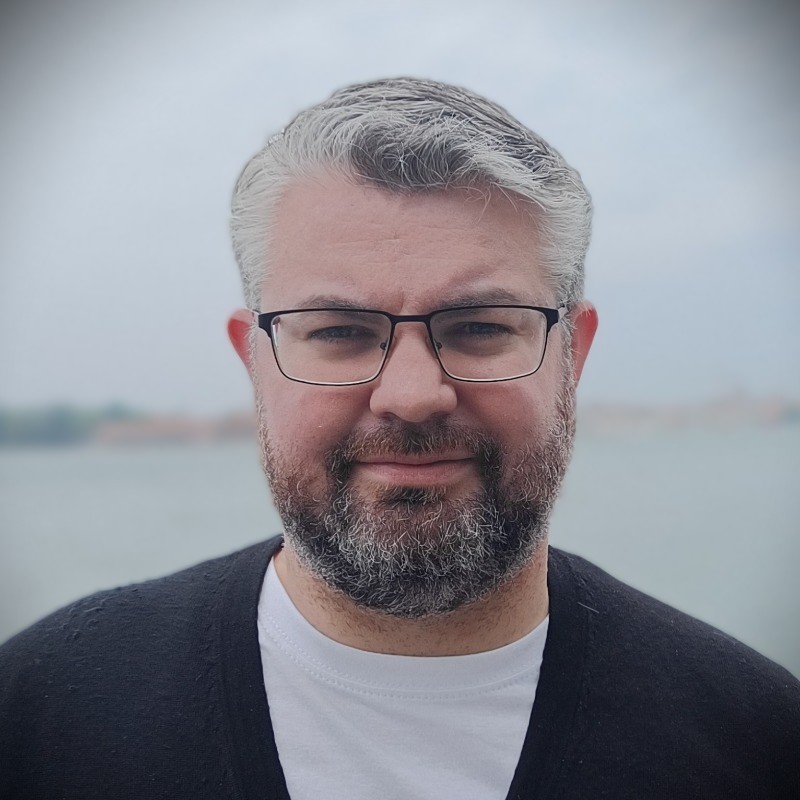
Postdoc, WUR
ORCID | WUR Webpage
Developer of a FAIR data module for BSc and MSc Computational Biology at WUR. Strong advocate of FAIR By Design and FAIR4RS principles, promoting high-quality metadata through integrated, end-to-end FAIR data pipelines.
- Transforming research towards a FAIR By Design approach
- FAIR metadata for microbial research
- FAIR computation workflows
Use Cases Opportunities for the Fellows
FAIR by design: One bottleneck for FAIRification is the requirement that data producers act altruistically to convert and transform data into a usable format and enhance their data with detailed metadata so that it is usable by other researchers, independent of themselves. Even for researchers who are so inclined to act unselfishly the process of making their data FAIR is usually an after-thought, done at the moment of, or just before, dissemination. This project will investigate ways to incorporate the FAIR principals from project inception to finalisation (e.g., metadata templates, research equipment data standardisation, etc.) following a FAIR by design or by accident approach.
FAIR metadata templates: Within UNLOCK we have developed the FAIR Data Station (https://fairds.fairbydesign.nl/), a web-based application that aids researchers during their research in the implementation and usage of metadata templates. This is optionally integrated with iRODS to ensure FAIR data management is done by accident without technical knowledge required. This project will investigate new metadata packages and new features required for your scientific discipline.
FAIR computational workflows: At WUR and UNLOCK we have also developed extensive and FAIR computational workflows for microbial sequencing datasets. This allows use to in a highly parallel manner process hundreds of samples per day and can be scaled further through HPC if required.
FAIR for IoT: As part of a European Project, we have developed an Internet of Things (IoT) platform that allows us to continuously monitor bioreactors, weather stations, or other devices through open and highly standardised protocols. This platform consists of LEAF, an adapter to ingest data and WIDE, a platform to store timeseries data in an accessible way.
1- Jayakrishnan Harikrishnavilas, Data Steward, Eindhoven University of Technology (TU/e). Visit the fellow profile here!
2- Mercedes Ines Beltran, Data Steward, Utrecht University (UU). Visit the fellow profile here!
3- Katia Roque Molina, Data Steward, Erasmus University Rotterdam (EUR). Visit the fellow profile here!
4- Milou de Jong, Data Steward, Radboud University Medical Centre (RadboudUMC). Visit the fellow profile here!
5- Günter Windau, Research Electronics and Software Engineer / Data Steward (Radboud University). Visit the fellow profile here!
Team Systems Genetics
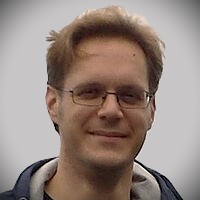
Assistant Professor, Dept. of Genetics, UMC Groningen
ORCID | RUG Webpage
Expertise in machine learning for genome diagnostics, FAIR (meta)data infrastructures, and national/international genomics consortia. Developer of CAPICE model, MOLGENIS Variant Interpretation Pipeline (VIP), and EMX2 FAIR scientific data platform.
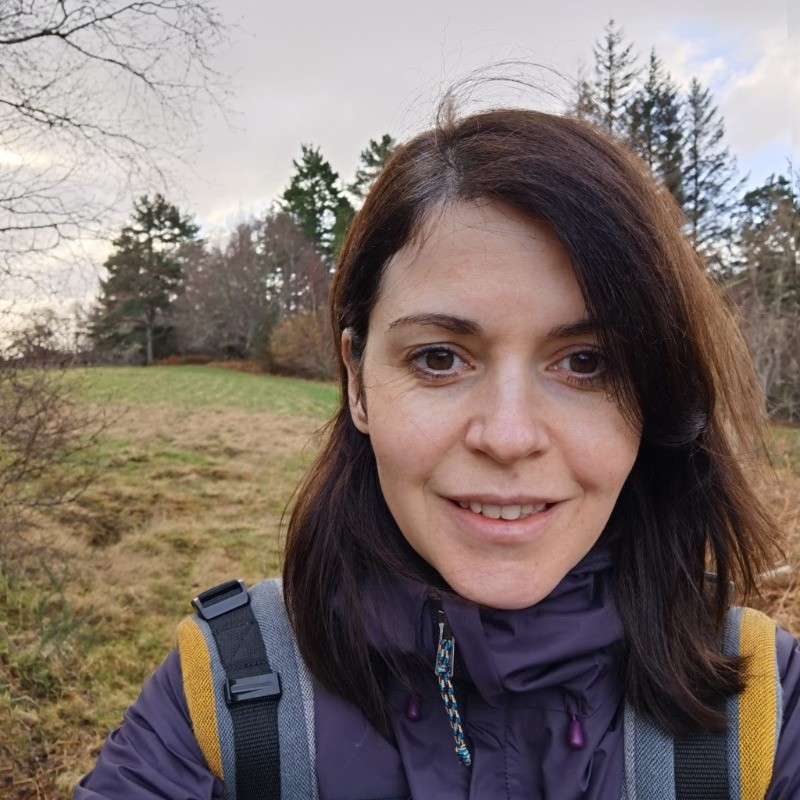
Data Engineer and Catalogue Expert, UMC Groingen
ACADEMIA | RUG Website
Researcher and data specialist with a background in project management, data analysis, and research infrastructure. Passionate about breaking down complex problems through programming and improving the way research data is managed.
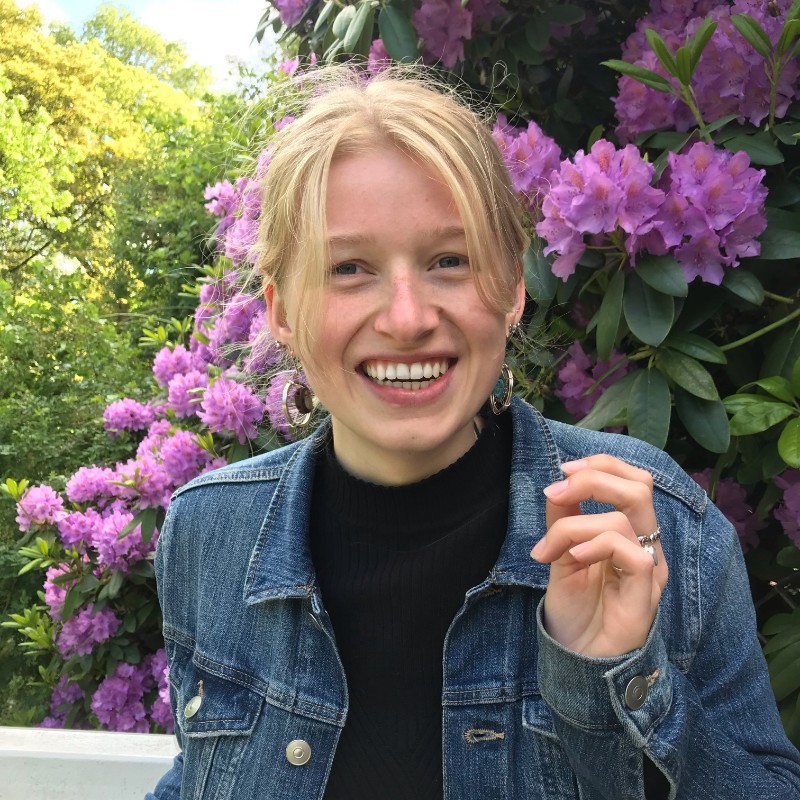
Data Manager, Genomics Coordination Center, UMC Groningen
ORCID | RUG Website
Expertise in Machine Learning, AI/ML in cancer research, FAIR data implementation.
The Systems Genetics team, led by Prof. dr. Morris Swertz, consists of around 40 people including bachelor, master and PhD students, postdocs, software engineers, data managers, project managers, FAIR data modelers, semantic experts, and more.
- Main challenge: greatly increase the chance that a rare disease patient gets a molecular diagnosis, thereby improving quality of their life.
- To achieve this, we need a critical amount of FAIR domain data by applying the right metadata schemas, ontologies, and federated infrastructures.
- Resources: CAPICE pathogenicity model, MOLGENIS VIP pipeline, MOLGENIS EMX2 platform, FAIR Genomes schema, VKGL national data-sharing repository.
- Strong collaborations across all Dutch UMCs, European Reference Networks, and EU infrastructures (Solve-RD, EJP-RD, ERDERA, GDI, Recon4IMD).
Use Cases Opportunities for the Fellows
- FAIR genomes expansion
- Variant Interpretation Pipeline (VIP) enhancement
- Interoperability pilots in ERNs
- Federated data access
- FAIR Training & education modules
- Patient-centric FAIR Consent Models
1- Karen Sap, Data Steward, Amsterdam University Medical Centre- (AUMC). Visit the fellow profile here!
2- Floor de Weijer, Data Engineer, Leiden University Medical Center (LUMC). Visit the fellow profile here!
3- Kristoffer Basse, Mass Spectrometry Technician, University of Groningen (RUG). Visit the fellow profile here!
4- Alex van der Jagt, Data Steward/Data Manager, Vrije Universiteit Amsterdam (VU). Visit the fellow profile here!
Team Reusable Health Data
Visit the Reusable Health data website
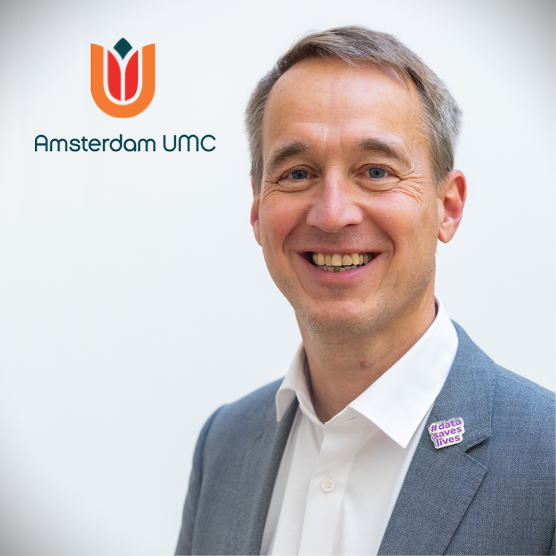
Professor, Medical Informatics, Amsterdam UMC
ORCID | AUMC Webpage
Active as stream leader of the Data Services Hub in ERDERA (European Rare Disease Research Alliance), and involved in HemaFAIR (FAIR data for Rare Hematological Diseases), PaLaDIn (Patient Lifestyle and Disease Data Interactium), LearnFAIR (FAIR Open Educational Resources), and TDCC-CDE (Common Data Elements). Also provides training on FAIR data within the Medical Informatics program and the projects listed above.
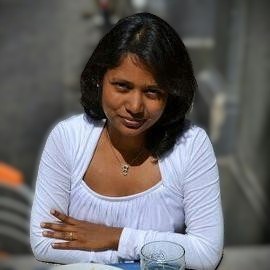
Assistant professor, Medical Informatics, Amsterdam UMC
ORCID | AUMC Webpage
Involvement in ERDERA (European Rare Disease Research Alliance)
Training on FAIR data in Medical Informatics program and ERDERA.
Use Cases Opportunities for the Fellows
Fellows could take on a range of projects/use cases, including:
- Requirements analysis for an (ISO 11179 compliant) Metadata / data element repository and (NEN7522 compliant) governance processes.
- Exploring AI-driven (agentic) annotation of data elements and values.
- Exploring needs and possibilities for harmonization of information models (e.g., OMOP CDM, CDISC, HL7 FHIR, and Clinical Building Blocks).
- Streamlining data flows for primary and secondary use of data, in light of EHDS, with a focus on rare disease use cases.
1- Sara Mokhtar, Data Steward, Maastricht University, MU | MUMC+. Visit the fellow profile here!
2. Esther Hazelhoff, Data Steward, Utrecht University Medical Center (UMCU). Visit the fellow profile here!
3. Wendy Busser, Data Coordinator, Erasmus University Medical Center (EMC). Visit the fellow profile here!
Team Biodiversity and Ecology
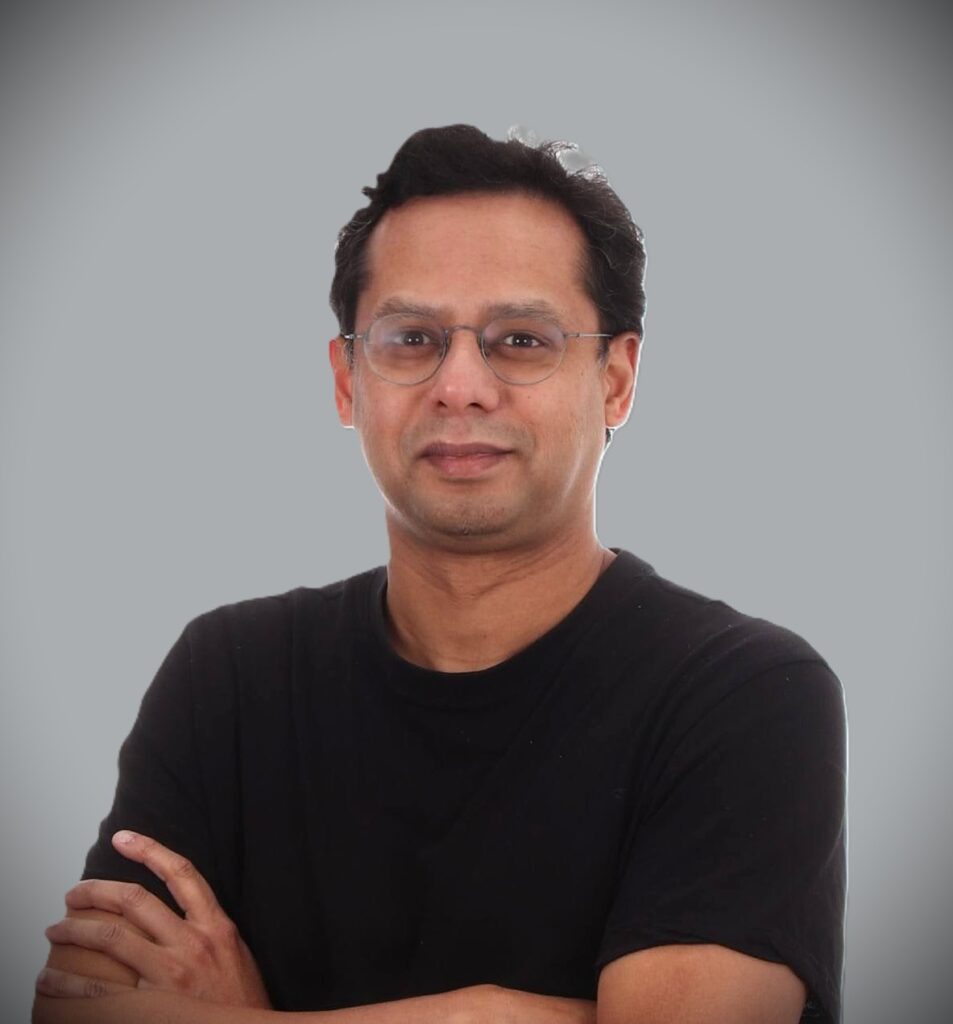
Senior Data Architecture, Naturalis
Google Scholar | Personal Website
Expertise in data architecture, biodiversity informatics, research data management, data standards (DwC, EML), biodiversity and environmental science data integration (observations, monitoring, genomics, remote sensing), FAIR implementation in research infrastructures, and digital twin applications. Active contributor to ARISE, DiSSCo, and other EU funded projects.
- Heterogeneity of biodiversity/ecology data: species occurrences, genomic data, sensor/IoT data, camera trap, and ecological models are scattered across institutes with different metadata practices and varying FAIR maturity.
- Interoperability across infrastructures: aligning local institutional stewardship with national (e.g. SURF, DANS) and large-scale infrastructures (ARISE, LTER-LIFE), ensuring that biodiversity/ecology connects into EU (like EOSC) and international initiatives.
- Capacity building for FAIR data stewardship: many stewards in biodiversity/ecology work in small, isolated teams with limited exposure to evolving FAIR standards; community support and training are critical.
- Scaling from use cases to architecture: moving from local FAIRification projects to shared digital architectures that support reproducibility, provenance, and FAIR-by-design practices across biodiversity/ecology research.
Use Cases Opportunities for the Fellows
- FAIRifying ecological/biodiversity monitoring workflows: helping implement FAIR-by-design practices for biodiversity monitoring, sensor data, and genomic pipelines, using RO-Crate or diffrrent FAIR Digital Objects approach for reproducibility.
- Metadata harmonisation across infrastructures: aligning standards such as Darwin Core (DwC), EML ensuring compatibility with global standards.
Provenance aware biodiversity and ecological models: packaging models, datasets, and workflows with PIDs and metadata for reusability and reproducibility (using RO-Crate for instance).
Capacity building: co-developing training materials, best practices, FAIR cookbooks and onboarding toolkits for biodiversity/ecology researchers, leveraging resources from existing initiatives.
Look at the example: link
1- Frans van der Kloet, Data Scientist, University of Amsterdam (UvA). Visit the fellow profile here!
2- Joeri Kalter, Data Steward, Wageningen University& Research (WUR). Visit the fellow profile here!
3- Sören Wacker, Research Electrical Engineer, Delft University of Technology (TU Delft). Visit the fellow profile here!
Team Bioimaging & ACDC
Visit the NL-Bioimaging and Advanced Compute & Data Core websites
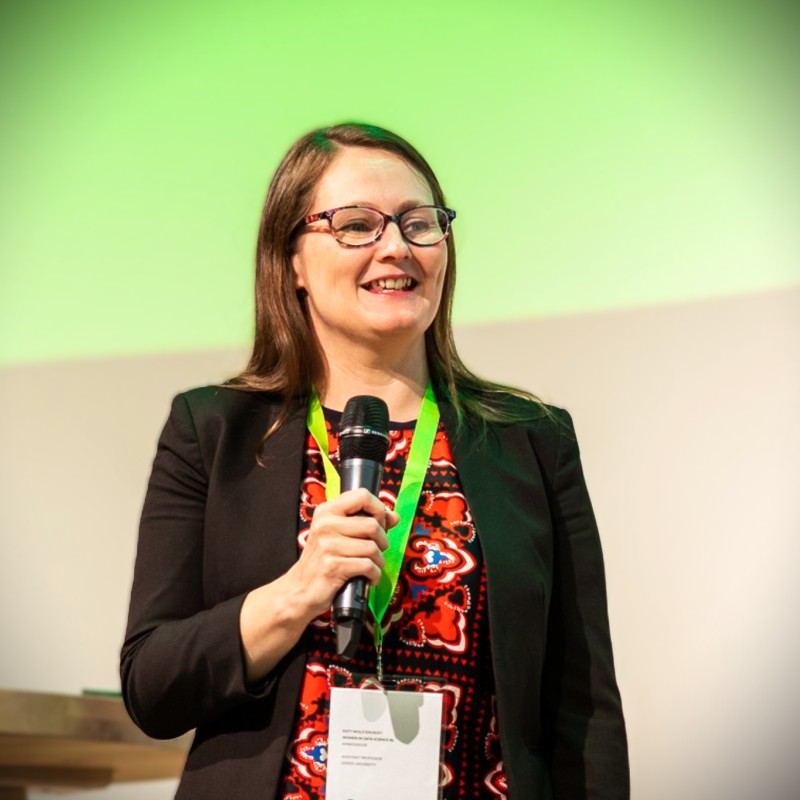
Associate Professor, Advanced Computer and Data Core (ACDC), Amsterdam UMC
ORCID | AUMC Webpage
Serving as group leader of ACDC, focusing on FAIR multi-omics and bioimaging data and compute integration towards visual omics, and leading the FAIR Data and Analysis work package within the NL-Bioimaging National Roadmap.
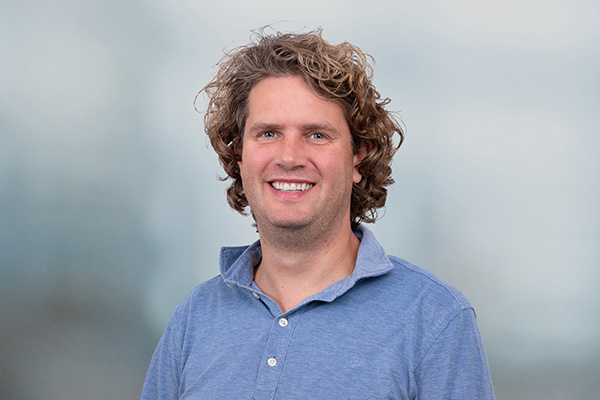
Imaging Scientist / Data Manager
Microscopy & Imaging Center (UMIC), UMCG
ORCID | UMCG Webpage
Imaging scientist and data steward at the UMIC via NL-BioImaging. Expertise in using various data management systems including the microscopy-specific OMERO and the more field agnostic iRODS, which is implemented at RDMS at the University of Groningen (RUG).
Director of the UMCG Microscopy and Imaging Center (UMIC)
ORCID | UMCG Webpage
Group leader of the Advanced Microscopy & Type 1 Diabetes group of the Biomedical Sciences department of the UMCG. In addition, director of the UMCG Microscopy and Imaging Center (UMIC), co-leader of the Data Management and Analysis nodes of the LSRIs NL-BioImaging and NEMI (Netherlands EM Infrastructure).
- FAIR metadata and the (meta)data life cycle
- Combining FAIR (meta)data and analysis – creating FAIR research objects
- FAIR data management is relatively new and booming in the bioimaging community on a national, European ánd global level. Aligning different FAIR initiatives is challenging.
- One example is unifying data formats for all microscopy modalities. The OME (open microscopy environment) model, including OME-tiff and OME-zarr, exists and is well-adopted in the light microscopy community. Electron microscopy (EM) is moving in the direction of adopting these file formats, however the OME model is lacking metadata standards for EM, making EM data unstandardized again.
- The OME model is very life sciences focused. Microscopy research is beyond life sciences. To remain unFAIR (unified FAIR), we should connect with initiatives in different fields of research, such as FAIRmat for EM in material sciences and FAIR4Chem in chemistry.
- A different challenge is to align different data management tools available in our national bioimaging community. Some institutes use iRODS while others use OMERO. For pure DM, iRODS is often superior to OMERO, while OMERO offers visualization and annotation of the data. There is an ongoing initiative to integrate both systems, which reaching a testing phase.
Use Cases Opportunities for the Fellows
- Align and contribute to unifying FAIR data standards, such as OME, regardless of modality and research field.
- Contribute to iRODS-OMERO integration.
- Assist De Boer in creating a universal standard ontology for EM in life sciences and beyond.
1- Milou de Jong, Data Steward, Radboud University Medical Centre (RadboudUMC). Visit the fellow profile here!
2- Joost de Folter, Postdoc, Groningen University Medical Center (UMCG). Visit the fellow profile here!
3- Mercedes Ines Beltran, Data Steward, Utrecht University (UU). Visit the fellow profile here!
4- Frans van der Kloet, Data Scientist, University of Amsterdam (UvA). Visit the fellow profile here!
5- Kristoffer Basse, Mass Spectrometry Technician, University of Groningen (RUG). Visit the fellow profile here!
Team Netherland Plant Eco-phenotyping Centre (NPEC)
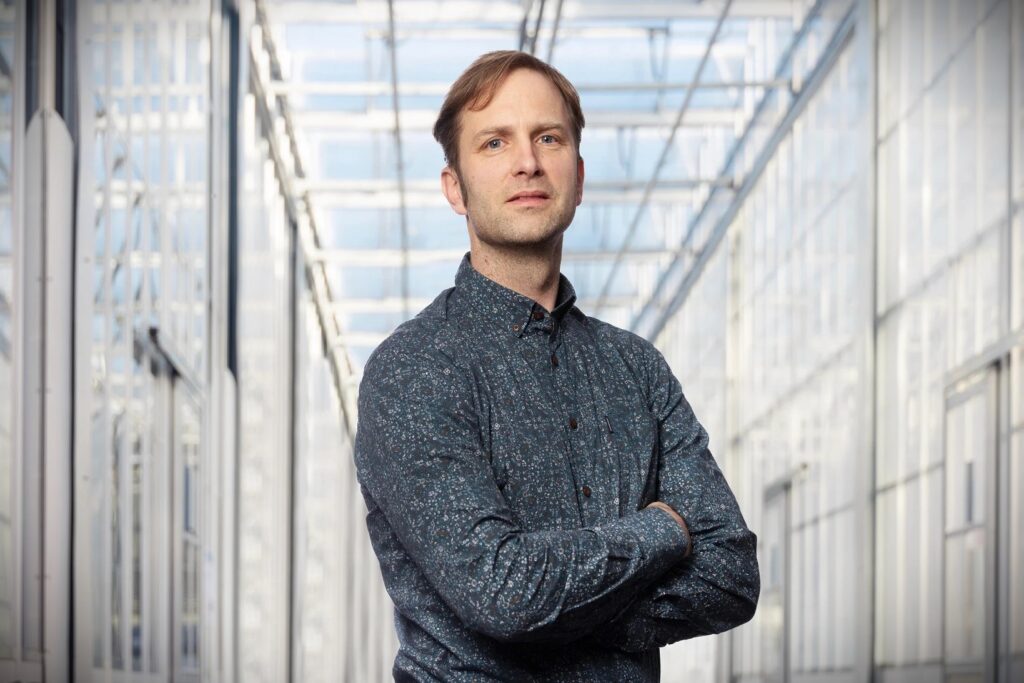
Program Manager, NPEC, WUR
ORCID | WUR Webpage
Expertise in Agricultural engineering, Computers and internet, Engineering, Horticulture, Information management, Psychology, Automation, Computer software - Apps, Data processing, Artificial intelligence - AI, Neural networks, Plant breeding methods, Pot plants, Programming, Robots, Software engineering, Image analysis, Image processing, Informatics, Phenotypes.
Data & Sensors Quality Lead, NPEC, WUR
ORCID | WUR Webpage
Expertise in Agricultural engineering, Engineering, Horticulture, Information management, Automation, Electrical engineering, Artificial intelligence - AI, Programming, Software engineering, Greenhouse horticulture, Informatics, Big data, Systems engineering, Data science, FAIR Data.
NPEC is involved in these FAIR projects:
1. MIAPPE Development
MIAPPE (Minimum Information About a Plant Phenotyping Experiment) is a community-developed metadata standard that defines the minimum information required to describe a plant phenotyping experiment. MIAPPE aims to make data FAIR (Findable, Accessible, Interoperable, Reusable) by promoting consistent documentation of experimental conditions, plant material, measurements, and environments. Its development involves collaboration across the plant science community to refine and expand the schema to support diverse use cases.
2. ISA Data Structure, including ISA-JSON
The ISA (Investigation-Study-Assay) framework provides a standard way to represent and manage metadata from complex life science experiments. It structures research data into three layers: Investigation (overall project), Study (individual experiments), and Assay (analytical processes). ISA-JSON is a JSON-based format that allows this metadata to be easily shared and integrated with computational tools and repositories, supporting interoperability and reuse across domains.
3. FAIRDOM-SEEK
A web-based data management platform designed for systems biology and interdisciplinary life science projects. It supports the FAIR principles by enabling the sharing, annotation, and publication of data, models, and workflows. Users can organize their work into structured projects using the ISA framework and collaborate across institutions while maintaining version control and data provenance.
4. iRODS & iBridges
iRODS (Integrated Rule-Oriented Data System) is an open-source data management software that enables policy-driven data organization, access control, and replication across distributed storage systems. iBridges facilitates data transfer and synchronization between systems, often used in large-scale scientific infrastructures.
5. EMPHASIS
The EMPHASIS is working towards an ERIC level in the EU-large scale research infrastructure framework. EMPHASIS is a collaborative infrastructure initiative that provides access to state-of-the-art plant phenotyping facilities across Europe. It supports research in plant biology and agriculture by offering open calls for transnational access, fostering standardization of methods, and facilitating data sharing to accelerate innovation in crop science and environmental research.
Use Cases Opportunities for the Fellows
1. MIAPPE Ontology Gap Mapping & Extension
Objective: Identify gaps in current MIAPPE implementation across NPEC facilities and propose or implement ontology extensions.
- Review existing experimental metadata against the MIAPPE schema.
- Map traits, variables, and conditions not currently covered.
- Propose standard ontology terms (e.g. from Crop Ontology or ENVO) or create NPEC-specific extensions.
- Coordinate with the MIAPPE community for potential inclusion.
2. ISA-JSON Template Generator and Notebook Workflow
Objective: Create reusable, user-friendly Jupyter notebook templates for generating ISA-JSON metadata.
- Develop modular notebook(s) that allow researchers to input metadata interactively.
- Include validation steps and auto-export to ISA-JSON.
- Build in seamless upload or integration with FAIRDOM-SEEK via API.
- Provide documentation and a sample use case (e.g., for a sensor-based phenotyping experiment).
3. Sensor Metadata Collection & Harmonization Tool
Objective: Design a system (script, pipeline, or GUI) to extract and standardize metadata from a variety of sensor systems used in NPEC.
- Work with sensor owners to document metadata outputs/formats.
- Build a converter or integration layer that maps outputs to MIAPPE/ISA-compatible formats.
- Focus on at least 2–3 widely used sensor systems (e.g., climate sensors, imaging platforms).
Optionally integrate output with the ISA-JSON workflow.
4. FAIR Training & Onboarding Toolkit
Objective: Develop a lightweight, modular training toolkit for new researchers on FAIR data practices at NPEC.
- Create a structured training module: intro slides, hands-on notebook(s), and a checklist or FAQ.
- Cover key concepts: MIAPPE, ISA, data annotation, FAIRDOM-SEEK usage.
Include facility-specific examples or walkthroughs (e.g., from phenotyping pipelines). Deliver it in multiple formats (self-paced online + in-person workshop version).
1- Alex van der Jagt, Data Steward/Data Manager, Vrije Universiteit Amsterdam (VU). Visit the fellow profile here!
2- Karen Sap, Data Steward, Amsterdam University Medical Centre- (AUMC). Visit the fellow profile here!